Key Takeaways
A supplementary card shares your credit line. It's an extra card under your account with one combined limit and one monthly statement, and you can set a spending cap for each card.
The principal cardholder pays for everything. That includes late fees and interest, and only the principal's credit record is affected, so only give cards to people you trust.
Most banks accept immediate family aged 18 and above. Domestic helpers are generally allowed, subject to the bank's approval. UOB makes an exception for 16-year-olds heading overseas for education.
Most supplementary cards cost $98.10 a year. The first year is usually waived, or the first two with OCBC. HSBC and Maybank charge no annual fee, and the first supplementary card on the UOB One Card is free.
Supplementary spend earns rewards at the same rate as the principal card. Pooling household spending on one card helps you earn faster and hit minimum spend targets.
Handing your spouse, parents or kids a card on your account can make sharing household spending much simpler, and help you earn rewards faster. But you're on the hook for every dollar they spend, so it pays to know what you're signing up for.
This guide explains how supplementary credit cards work, who's eligible and how to apply, what they cost, and which cards in Singapore offer the best fees and rewards.
What is a Supplementary Credit Card and How Does it Work?
A supplementary credit card is an extra card issued under your credit card account, letting someone else spend on your credit line. In Singapore, it's a popular way for spouses, parents, adult children and other trusted people to share household spending.
How supplementary credit cards operate
Shared credit limit: You (the principal cardholder) and your supplementary cardholders draw from the same limit. Most banks let you set a separate monthly cap for each supplementary card.
One monthly statement: Every transaction shows up on a single consolidated bill, so you can see exactly who spent what.
Relationship between main and supplementary cardholder
The principal cardholder owns the account and is responsible for repaying all charges, including late fees and interest, no matter who made the purchase. Supplementary cardholders spend within the limits you set but don't get a separate bill or account.
Because of this, only give supplementary cards to people you trust.
Eligibility, Requirements and How to Apply for Supplementary Credit Cards
Typical eligibility criteria for supplementary cards
Minimum age: Usually 18. A few banks make exceptions for younger applicants. UOB, for example, accepts supplementary cardholders aged 16 and above for overseas education, with a letter of acceptance from the overseas institution (local institutions don't qualify).
Who you can add: Immediate family is almost always accepted—spouse, children (including step and adopted), parents and parents-in-law. Some banks also allow siblings, grandparents or a fiancé(e).
Domestic helpers: Generally allowed at the principal cardholder's discretion, subject to the bank's approval. Policies differ between banks, so check before applying.
Required documents
Singaporeans and PRs: NRIC (front and back)
Foreigners, including domestic helpers: Valid passport and proof of residential address, such as a work permit, utility bill or bank statement. DBS, for example, requires the proof of address to be dated within 3 months of your application.
Proof of address (Singaporeans and PRs whose address differs from their NRIC): utility bill, bank statement or government letter, generally dated within the last 3 months
Proof of relationship (if requested): birth or marriage certificate
Step-by-step: application process
For existing principal credit cardholders
Check eligibility against your bank's rules and gather the documents above.
Apply online or via app. Most banks, including DBS/POSB and Citibank, let you add a supplementary cardholder through online banking or their app. Branch and mail applications are also accepted.
Set a spending limit for the supplementary card if you want one.
Wait for delivery and activation. Cards usually arrive within 3–7 working days, and the supplementary cardholder must activate the card themselves.
For new principal cardholders
Some banks let you apply for a supplementary card at the same time as your principal card, while others make you wait until the principal card is approved.
Cancelling a supplementary credit card
Only the principal cardholder can cancel. With DBS/POSB, use digibank's "Manage Cards" function or call customer service. With Citibank, call CitiPhone or visit a branch. Most other banks accept cancellations by phone, online form or at a branch. Destroy the card once it's cancelled and check that the closure shows on your next statement.
Compare the Best Supplementary Credit Cards in Singapore
Bank | Card name | Age requirement | Annual fee (supp. card) | Waiver | Key benefits |
DBS | DBS yuu Visa Card | 18+ | $98.10 | 1st year waived | Up to 18% cash rebates at yuu merchants (Cold Storage, Giant, etc.), with min. $800 monthly spend |
UOB | UOB One Card | 18+ (16+ for overseas education) | 1st supp. card free, $98.10 for each additional card | 1st year waived | Up to 10% cashback (McDonald's, Shopee, Grab, SimplyGo) |
OCBC | OCBC 365 Credit Card | 18+ | $98.10 | First 2 years waived | 6% cashback on fuel, 5% on dining, with min. $800 monthly spend |
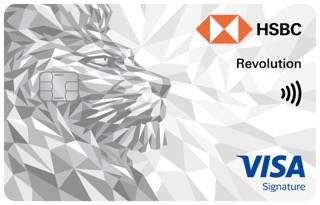
HSBC | HSBC Revolution Card | 18+ | $0 | Not needed | 10X points on contactless and online spend (dining, shopping, travel), or up to 20X when paired with an HSBC Everyday Global Account |
Citibank | Citi Cash Back+ Card | 18+ | $98.10 | 1st year waived | 1.6% unlimited cashback on all spend |
Maybank | Maybank Family & Friends Mastercard | 18+ | $0 | Not needed | Up to 8% cashback on 5 preferred everyday categories, with min. $800 monthly spend |
All fees include GST.
Highlights and what makes these cards stand out
HSBC and Maybank are the only banks here that don't charge an annual fee for supplementary cards, which makes them ideal for larger households.
Most other waivers only last the first year (two with OCBC), so budget for $98.10 per card after that unless you can get it waived.
Supplementary spend earns at the same rate as the principal card, and the rewards go to the principal cardholder. So pooling family spending on one card with high rewards, like the DBS yuu or UOB One, helps you earn faster and hit minimum spend targets.
For more on maximising rebates, see our guide to cashback credit cards in Singapore.
Fees, Waivers and How to Save on Supplementary Cards
Typical fees for supplementary cardholders
Most supplementary cards cost $98.10 a year (see the table above). Beyond annual fees, watch for costs that apply to supplementary spend too: foreign transaction fees (around 3.25%), late payment charges (commonly $100) and overlimit fees (around 40–50). Replacement fees may also apply for lost or damaged cards.
How and when to request annual fee waivers
Ask promptly. Request a waiver soon after the fee appears on your statement. In-app channels and chat, like the UOB TMRW app, are usually fastest.
Know your bank's rules. DBS and Citibank waive the first year, and later waivers are at the bank's discretion. OCBC waives both principal and supplementary card fees for the first two years. After that, the annual fee is waived automatically if you spend $10,000 in a year, counted from the month your card was issued.
Banks known for easy waivers and perpetual free supplementary cards
HSBC and Maybank don't charge an annual fee for supplementary cards, so there's no waiver to chase. On the UOB One Card, your first supplementary card has no annual fee.
Practical strategies to avoid unnecessary costs
Use the cards actively. Higher overall spend tends to improve your chances of getting a discretionary waiver approved.
Consolidate household spending on a card with a spend-based waiver, like the OCBC 365, to hit the threshold more easily.
Pros, Cons and Who Should Consider a Supplementary Card
Key advantages of supplementary credit cards
Supplementary cards give you control: you can set a spending cap for each card and see every transaction on one statement. They're also convenient, letting your household share one credit line for groceries, bills and transport. And because everyone's spend earns cashback, points or miles on your card, you'll build up rewards faster.
Who typically benefits from supplementary cards?
Here are 3 main groups of people who benefit from supplementary cards the most:
Families and couples who want to consolidate spending and rewards
Parents of young adults, to supervise early credit use, including for overseas study
Employers of domestic helpers, as a way to replace petty cash for errands while keeping spending transparent
Key risks and downsides to consider
Full liability: You pay for everything, including interest and fees from others' overspending.
Overspending risk: Multiple users on one limit can breach it, triggering overlimit fees or declined payments.
No privacy for users: The principal sees every purchase, which adult children or relatives may not like.
Supplementary cards and credit scores: the facts
Late payments and high utilisation affect only the principal cardholder's credit record, even when the supplementary user caused them. A supplementary card also won't help the user build their own credit history, as their spending isn't reported under their name.
It works best if you trust your supplementary users and can reliably pay the full combined balance each month.

 Why Trust MoneySmart?