 Why Trust MoneySmart?
For low-income earners in Singapore, the ideal credit card is one with low or no annual fees and minimal income requirements. If you do not meet the standard $30,000 annual income for Singaporeans and PRs, you still have 3 practical paths: student credit cards, low-limit standard credit cards, and secured credit cards. Each comes with its own eligibility and perks designed to help you build credit responsibly.
Option 1: Student cards (no minimum income)
Student cards are tailored for students and young adults, typically with a $500 credit limit and no income requirement. They are a safe, beginner-friendly way to start building your credit history without overspending.
DBS Live Fresh Student Card
Up to 5% cashback at popular merchants such as McDonald’s and Netflix
Extra 5% “Green” cashback on eco-friendly transport/retail
Annual fee waived for 5 years
Maybank eVibes Card
1% unlimited cashback on all spending
$5.45 quarterly fee waived if used at least once every 3 months
CIMB AWSM Card
1% unlimited cashback on dining, entertainment, online shopping, telco bills
For those under 35, minimum annual income is $18,000; no annual fee
These cards help new-to-credit users start building a good repayment record with manageable monthly limits.
Option 2: Low-limit cards (under $30,000 annual income)
Some banks can issue standard credit cards with a $500 maximum limit to qualifying applicants who do not meet the usual annual income cut-off.
Mari Credit Card
A version of the card with a $500 credit limit is available to Singaporeans/PRs aged 21–55 with annual income below $30,000
Unlimited 1.7% cashback on local spending
Unlimited 3% Shopee Coins on Shopee
GXS FlexiCard
No minimum income required for Singaporeans/PRs aged 21 - 55 years old
$500 credit limit
Instant cashback (up to $3) when you spend a minimum of $10 in a single transaction
Low-limit cards offer access to credit and cashback without the risk of large balances.
Option 3: Secured credit cards (use a fixed deposit as collateral)
If you do not meet income criteria, you can secure a “proper” credit card with premium benefits by placing a fixed deposit as collateral—typically at least $10,000. Your deposit becomes your credit limit, broadening your choice of cards.
Place a fixed deposit (e.g., with DBS, UOB, or HSBC) to unlock a card tied to your deposit amount.
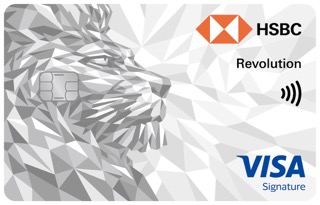
You can access popular mainstream cards that typically require higher income (such as DBS Altitude, UOB PRVI Miles, HSBC Revolution), letting you earn stronger cashback or miles even with a low salary.
Secured cards are ideal for disciplined savers wanting rewards plus a credit profile boost.
Factors to consider
Always match your card to your lifestyle and financial habits:
Cashback vs. rewards/miles: Cashback cards exchange small regular spend for tangible rebates—ideal for low spenders, while miles and points rewards usually require higher spend for redemption.
No annual fee: Favour cards that are free or come with long-term fee waivers to keep your ongoing costs low.
Credit building: A card can help build your credit score, but only if you consistently pay your bills on time and in full each month. Missed or late payments will hurt your score, regardless of card type.
Choose wisely and reassess annually as your income and needs change.
💡 MoneySmart Tip
Use trusted online comparison tools like MoneySmart's credit card comparison to explore rewards, cashback rates, annual fees, and eligibility across major banks in Singapore—helping you find the card that best suits your spending habits, quickly.