Why Trust MoneySmart?
Getting your first credit card is one of the big milestones of adult life. Whether you’re a student, a fresh grad, or just settling into your first full-time job, the right card can help you build credit, save on everyday spend, and unlock perks like cashback on food and rides to miles for future travel. If you’re looking to compare the best credit cards in Singapore, it’s worth understanding how different options stack up before making a decision. This guide walks through why credit cards matter for young adults in Singapore, how to pick a card that fits your lifestyle, and the traps to avoid as you build your financial footing.
Best Credit Cards For Students in Singapore

Emma Lam
| Updated August 14, 20260
10 Mins Read
Part 13 of 15 from article series: Credit Cards General →
Table of Contents
Why Get a Credit Card as a Young Adult?
💳 Build your credit profile early
Using a credit card responsibly from a young age helps you establish a solid credit history. That record matters when you eventually apply for a home loan, a car loan, or higher credit limits. Paying your bills on time and keeping your balances low tells banks you’re trustworthy, translating into better rates and approvals later on.
🪙 Earn cashback, rebates and SimplyGo savings
A lot of entry-level cards reward exactly how young adults spend: online shopping, food delivery, streaming, transport, and groceries. Many also support SimplyGo, letting you tap your card or mobile wallet on buses and the MRT while earning cashback or rebates. Over time, these small savings can add up.
🧑🏻🎓 Start with student and no-annual-fee options
If you're worried about fees or income requirements, you don't have to jump straight into a full-fledged adult card. Student cards and certain entry-level products offer no annual fee for several years and are designed for lower income or no-income profiles. They're a safe, structured way to ease into credit.
🌍 Begin your miles and travel journey
Even as a beginner, you can start collecting miles or travel rewards. Some entry-level cards come with basic travel insurance, occasional airport lounge passes and miles earned on travel bookings. Others let you convert reward points into miles once you're ready to take your first big trip.
😰 Reduce eligibility anxiety
It’s normal to feel unsure if you’ll get approved, especially on your first application. But student cards and many $30,000-income cards are explicitly built for young adults and fresh grads, with lower entry requirements and straightforward documents. In the sections below, you’ll see how to match cards to your spending, compare key products at a glance, and navigate eligibility and approval without guesswork.
Start Smart, Spend Smarter 🧠🪙
Whether you're a student, fresh grad, or just getting your footing in the working world, the right credit card helps you save more, build credit faster, and unlock everyday perks with zero fuss. Discover the best starter cards built for your lifestyle.
Best Credit Cards for Young Adults: At-a-Glance Comparison
Here’s a quick snapshot of some popular cards for young adults and students. Think of this as your “cheat sheet” before diving into detailed reviews.
Card | Bonus rebate earn rate | Annual fee and waiver | Eligibility | Best For |
5% cashback at student merchants (GV, McDonald’s, Starbucks, Netflix, Spotify) + 5% Green Cashback Capped at $50 per month | $196.20, waived for 5 years No min. spend; $500 credit limit | 21–27 yrs old, SG/PR, enrolled in NUS/NTU/SMU/SUTD/SIT/SUSS/SIM or approved polys | Students/undergrads seeking a first credit card with strong cashback yet low limit, at everyday merchants | |
Up to 10% cashback on eligible online & mobile contactless transactions with min. $800 spend per month 0.3% base cashback otherwise Capped at $140 cashback per month | $196.20 (1st year waived); subsequent waiver with 3 transactions/month | Age 21+ Min. annual income: $30,000 (SG/PR), $40,000 (Foreigners) | Digital spenders maximising online and contactless purchases with no annual fee | |
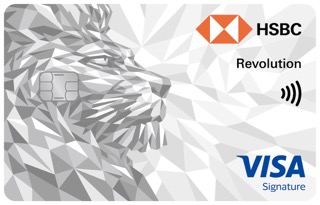
10X Rewards (≈ 4 mpd / 2.5% cashback) on eligible online & contactless dining/shopping/travel Base 1X point earn rate on all other spend Capped at 13,500 points per month (till 28 Feb 2026) | No annual fee, ever | Age 21+ Min. annual income: $30,000 (SG/PR with HSBC TRB ≥ S$50,000) or $65,000 (SG/PR/Foreigners) | Flexible reward seekers wanting no annual fee with convertible miles or cashback on online spending | |
1.2 miles per dollar (mpd) on local spend 2.2 mpd on foreign currency spend Up to 10 mpd on Kaligo bookings, 7 mpd on Agoda bookings | $196.20 (1st year waived) | Age 21+ Min. annual income: $30,000 (SG/PR), $42,000 (Foreigners) | Young travellers accumulating non-expiring miles with lounge access and premium travel perks | |
5% cashback on Sheng Siong/Redmart & online shopping 10% cashback on select dining 6% cashback on SPC fuel No min. spend at partners | $196.20 (1st year waived) | Age 21+ Min. annual income: $30,000 (SG/PR), $45,000 (Foreigners) | Budget-conscious shoppers maximising rebates at popular merchants with no minimum spend |
Which Credit Card Is Right for You?
Choosing the “best” card isn’t about chasing the highest headline cashback or miles—it’s about finding the one that fits your habits, income, and goals.
Define your main goal
Decide if you care more about cashback, miles, flexible points, or simply having a no-fuss, no-fee card to build credit.
Check eligibility
Assess your age, student status, and annual income. Some cards have no income requirement (student cards) while most regular cards start at $30,000.
Map your biggest spend category
Think about where your money goes: online shopping, food delivery, streaming, transport, groceries, travel. Cards are optimised around these patterns.
Match card mechanics to your lifestyle
If your spend is mainly digital, choose a card that rewards online and mobile wallet payments. If you’re still in school, pick a student card with low limits and fee waivers.
Watch out for credit card pitfalls
Avoid cards with minimum spend that you can’t realistically meet, annual fees that aren’t clearly waived, or reward caps that are too restrictive for your budget.
Plan how to maximise cards
Once you pick a card, learn its “sweet spots”—such as which categories get higher cashback, or whether using Apple/Google Pay earns more.
Beginner Card Stacking Strategies
Card maximisation doesn’t have to be intimidating. A simple, well-planned two-card setup can boost your cashback or miles effortlessly. These simple, beginner-friendly card combinations help you maximise rewards without juggling too many cards or overspending.
Strategy | Best for | Card combination | How it works |
Digital cashback + Essentials cashback | Fresh grads | UOB EVOL Card + POSB Everyday Card | UOB EVOL Card: High cashback on eligible online & mobile contactless transactions POSB Everyday Card: High cashback on groceries, SPC petrol, essentials • Covers 90% of typical young-adult spend |
Flexible rewards + Miles starter | Young travellers | HSBC Revolution Card + Citi PremierMiles Card | HSBC Revolution Card: 10X rewards on online/contactless, no annual fee Citi PremierMiles Card: Miles for travel bookings + lounge access • Ideal for building first miles stash while earning daily rewards |
Graduation pathway | Student → Working Adult → Traveller pipeline | DBS Live Fresh Student Card → UOB EVOL / OCBC FRANK Cards → Citi PremierMiles / HSBC Revolution Cards | • Start with Student card (low limit, easy approval) • Move to Cashback cards as income grows • Upgrade to Miles once travel begins & income stabilises |
Single-card minimalist | Low or irregular spenders | HSBC Revolution or POSB Everyday | HSBC Revolution Card: No annual fee, strong rewards with no min spend POSB Everyday Card: Rebates at partner merchants, no min spend • Great for small or inconsistent spending habits |
Card Category Pitfalls to Avoid
Missing minimum spend:
If a card’s high cashback or bonus rewards only unlock at $600–$800 per month, regularly falling short means you’re leaving value on the table.
Annual fee surprises:
Many cards waive fees for only one to three years. Set a reminder to reassess before renewal.
Category caps:
Cards with high cashback rates often cap rewards per category per month. Spending beyond the cap doesn’t bring extra rewards.
Interest and late fees:
Any revolving balance or late payment can quickly wipe out your rewards. Always aim to pay in full and on time.
Smart Credit Use: Habits & Pitfalls for Young Adults
Getting approved is only the first step. The real test is how you manage the card.
Student cards
The biggest risk is treating your $500 limit as “free money”. Missing payments triggers a steep $100 late fee and ~27.78% p.a. interest on outstanding balance, which can damage your score early. The best habit is to pay your balance in full every month and use the card as a tool, not a wallet extension.
Cashback & digital-first cards
Cashback cards shine only if you hit the minimum spend and stay within category caps. If your monthly spending fluctuates and you regularly miss the threshold (typically $500–$800), you’ll earn only base cashback (0.3%–0.4%) or miles (0.4 mpd) rates. Align your card choice and budget: either commit to hitting the minimum comfortably, or switch to a no-minimum-spend rebate card like HSBC Revolution or POSB Everyday.
Rewards & points cards
Rewards credit cards like HSBC Revolution can be lucrative but require active management. You need to keep track of bonus categories, points expiry (e.g. 37 months), and redemption options. Letting points expire or scattering spend across too many cards reduces your effective return.
Miles & travel cards
Miles credit cards tempt some users into overspending just to “earn more miles.” That’s a trap. The value of miles evaporates if you’re paying 27–28% interest on carried balances. Treat miles as a bonus on money you were going to spend anyway, not as a reason to spend more.
Essentials & family rebate cards
These cards work best when you consolidate recurring expenses such as groceries, streaming, telco, and fuel. Failing to centralise those categories or forgetting about category caps can quickly dilute the benefit.Across all types, the golden rules are simple: pay in full, on time, avoid unnecessary fees, and review your card annually as your income and lifestyle evolve.
When & How to Upgrade From a Beginner Credit Card?
Your first card won’t be your last. As your income grows and your spending habits evolve, upgrading your card can unlock better rewards, higher limits, and travel perks. The key is knowing when to upgrade and what to look out for. You’re ready to move beyond a student or entry-level card when:
Your income hits $30,000 or more.
Unlocking mainstream cashback and miles cards.
You can consistently hit $600–$800 monthly spend.
Higher monthly spend naturally corresponds and is needed for higher cashback tiers on cards like UOB EVOL Card or UOB One Card (e.g. $600/$1,000/$2,000).
You start travelling more.
Beginner miles cards like Citi PremierMiles or OCBC 90°N become more rewarding.
You’ve outgrown category caps.
For instance, you’re consistently maxing out the S$25 cashback per category on Maybank Family & Friends.
💡 MoneySmart Tip
Use trusted online comparison tools like MoneySmart's credit card comparison to explore rewards, cashback rates, annual fees, and eligibility across major banks in Singapore—helping you find the card that best suits your spending habits, quickly.
Overseas Study, Exchange & Travel: Which Card Should You Bring?
Scenario | Recommended card(s) | Why it works |
Low FX fees for daily overseas spend | 0% FX markup for everyday purchases Ideal for groceries, transport, cafés, etc. Easy ATM access at low cost Great as a “daily use” overseas wallet | |
Earn miles on travel bookings | Citi PremierMiles / OCBC 90°N / UOB PRVI Miles | 2.2–2.4 mpd on overseas spend Strong flight & hotel earn rates Lounge access perks for long trips Perfect for booking hostels, hotels, and long-hauls |
Online-friendly overseas spending (No annual fee) | HSBC Revolution | 10X Rewards (≈4 mpd) on online travel & shopping No annual fee ever Works well for booking transport passes, accommodations Excellent digital acceptance abroad |
Exchange students (Semester/Year abroad) | YouTrip / Trust + supplementary card (e.g. HSBC Revolution, Citi PremierMiles) | FX wallet for daily spending Revolution for online school/travel bookings PremierMiles for long-haul flights home Covers all spend types with minimum fees |
Graduation trips / Backpacking | HSBC Revolution + Citi PremierMiles | Maximise rewards on flights & travel platforms (e.g. 10 mpd on Kaligo bookings with Citi PremierMiles) Easy tracking of miles + flexible redemption |
Is Owning One Or Multiple Credit Cards Better For Young Adults?
The choice between a single credit card and multiple cards depends on four critical factors: financial responsibility, credit history building, reward optimisation, and debt management. Let's break down each consideration to help you decide what works best for your situation.
Managing multiple cards
Multiple credit cards increase your risk of debt accumulation and overspending if not managed carefully.Here's why this matters for young adults:
Tracking complexity:
Each card has its own billing cycle, spending caps, and payment deadline. Missing even one payment triggers a late fee (typically $100) plus interest charges at ~26.9%+ p.a.
Temptation multiplier:
More available credit encourages larger spending. The psychological distance between swiping a card and actual cash spending makes it easier to lose control.
Budgeting challenges:
Splitting spending across multiple accounts makes it difficult to see your total monthly expenditure.
When to add a second card? Wait until you've successfully managed your first card for 6–12 months with zero late payments and predictable spending patterns, then you can consider.
Card 1: POSB Everyday | Card 2: Citi PremierMiles |
For everyday spend on Sheng Siong groceries (5% cashback) and select dining (10% cashback) Imagine your total groceries and dining expenses: $1,500/month × 7.5% avg = $112/month | For travel bookings (Up to 10 mpd on Kaligo, Agoda) and eligible overseas spend (2.2 mpd) Imagine you book 2–4 flights annually, that’d be: $1,500 × 2.2 mpd = ~12,000–24,000 miles/year |
Hence, the combined annual rebate you can potentially earn from both cards is: $1,344 cashback + enough miles to redeem ~1 free domestic flight. Compare this to a single all-purpose card earning only 2–3% across all categories = $900/year maximum. |
Credit utilisation ratio
Formula: (Total credit used) ÷ (Total credit available) = Utilisation RatioCredit bureaus view lower utilisation as responsible borrowing. Ratios below 30% are ideal, anything above 50% actively damages your score.Here’s where a second card creates immediate benefit:
Scenario A (one card): $10,000 limit with $3,000 monthly spend = 30% utilisation
Scenario B (two cards): $20,000 total limit with S$3,000 monthly spend = 15% utilisation
Adding a second credit card increases your total available credit to $20,000, and your utilisation drops to 15%. This instantly improves your credit profile without any change in actual spending. However, do be mindful that this benefit only applies if you DON'T increase your spending to fill the new available credit. Many young adults sabotage themselves by thinking “I have more available credit, so I should use it.”, which isn’t true. Just because you have more of something, doesn’t mean you should/need to actually use it.
Frequently Asked Questions
Is having a credit card or none better for young adults?
This depends on your spending habits locally and/or abroad as a fresh graduate. If you are going for rewards points to redeem for attractive perks such as air miles for your next airfare or dining and shopping vouchers or other tech gadgets, then using credit cards which are linked to reward programmes would be better. On the other hand, if you just want to withdraw amounts of cash, a savings account with a debit card may suffice as it relieves you of the hassle of carrying large amounts of cash with you as you travel.
Will I be able to use most credit cards internationally when I travel?
Yes and no. This depends on which credit card networks your credit cards are tagged to i.e. Visa, MasterCard, American Express, UnionPay, etc., as some are accepted globally while others are only regionally accepted. For cards which are tagged on Visa, Mastercard and American Express, and Discover networks, they are widely accepted globally. Certain networks like UnionPay have an extensive presence, but they are accepted by fewer merchants around the world.
Can I get a “student travel card” in Singapore?
Dedicated student miles cards are rare, but student cashback cards like DBS Live Fresh Student let you build credit and earn meaningful rewards. Once you start working and meet income requirements, you can switch to a proper miles card.
What if my student card application is rejected?
Make sure you meet age and school criteria. If you’re not eligible yet, start with a debit card and build a relationship with the bank, then reapply once you qualify.
Should I close my student card once I graduate?
No, don’t close it immediately. Keeping your oldest card helps your credit history. Keep it active with a small recurring charge (Netflix, mobile bill) or until you have a stronger card wallet.
Was this article useful?
0 person found this useful
Want more MoneySmart in your Google results?
One tap, and we'll turn up more often when you search for money answers.