Best Integrated Shield Plans in Singapore 2026: Which One Should You Choose?
This guide will help you understand IPs and compare the best options available, ensuring you make an informed decision for your health and financial well-being.
Disclaimer: This article is meant for educational purposes only, and not serve as professional financial advice. Please exercise due discretion and consult a licensed professional.
No obligation.

Unbiased Advice
No hard selling, ever

~90mins
Quote delivered to you

⭐⭐⭐⭐⭐ Rated 4.4/5
1.900+ reviews on Google

📢 APRIL 2026 UPDATE
From 1 April 2026, there are new changes to IP riders in Singapore:
- New IP riders sold are no longer permitted to cover the minimum IP deductibles set by the Ministry of Health (MOH).
- The minimum 5% co-payment still applies, up to $6,000 per year (vs $3,000 previously), excluding the IP deductible.
- Minimum IP deductible ranges from $1,500–$3,500 varying by ward class, per policy year. It needs to be paid out-of-pocket.
- Both IP deductible and co-payments can be paid using MediSave (subject to withdrawal limits).
What are Integrated Shield Plans?
As it suggests, MediShield Life’s only offers basic coverage and may not be sufficient to fully cover hospitalisation costs. That’s where IPs come in—they provide enhanced protection, including coverage for private hospitals, shorter wait times for treatments and specialized care, and access to higher ward classes in public hospitals (A/B1). IPs also significantly increase annual claim limits, helping you reduce your out-of-pocket expenses for complex or prolonged treatments.
The Ministry of Health (MOH) regularly reviews and updates healthcare financing schemes, such as MediShield Life. Recently, they’ve announced up to 35% increased premiums from April 2025 to March 2028, citing higher claim limits (from $150,000 to $200,000) and expanded coverage as the main driving factors. Inpatient deductibles will also rise by up to $1,500.
In response, insurers have adjusted their IP benefits, claims limits, and proration factors, particularly for those choosing ward classes beyond their policy’s original coverage. Furthermore, since April 2019, all new IP riders must also include a minimum 5% co-payment (usually capped at $3,000 per policy year) to encourage prudent healthcare use.
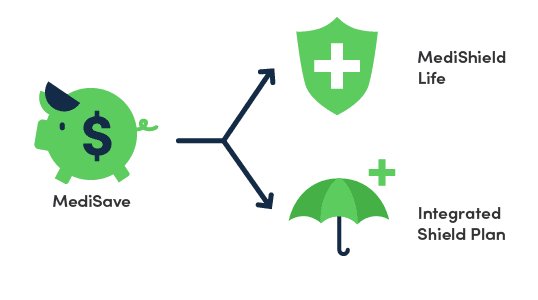
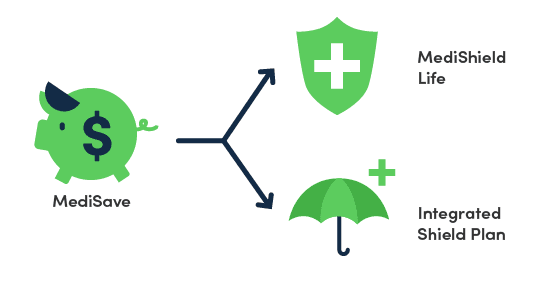
How Does Integrated Shield Plan Work?
Inpatient psychiatric treatments

IPs also offer coverage for inpatient psychiatric treatments. While MediShield Life covers up to $230 per day for 60 days per policy year (effective from 1 April 2025), IPs typically provide much higher annual claim limits, ranging from $4,000 to $20,000 or more per policy year for these treatments.
Outpatient treatment

While IPs usually focus on inpatient and day surgery treatments, they also cover certain high-cost outpatient treatments like chemotherapy, radiotherapy, and kidney dialysis, which are often part of the “as charged” benefits related to a hospital admission. Conversely, general outpatient consultations or psychotherapy sessions are usually not covered under the base IP and may, hence, require additional riders.
Pre- and Post-hospitalisation treatments

IPs also cover pre- and post-hospitalisation treatments, including consultations, diagnostic tests, and follow-up treatments before and/or after your hospital admission, as long as the institutions you visit are approved providers under your plan. Typically, pre-hospitalisation consultations or tests are covered between 90 to 180 days, depending on your plan and whether you opt for panel providers. Thereafter, post-hospitalisation coverage commonly extends up to 365 days after discharge.
Major organ transplants

As for major organ transplants, you are also covered for them as long as it is recognised by your provider, subject to your plan’s specified coverage limit. This can significantly alleviate the financial burden associated with such costly and complex procedures.
Congenital abnormalities

Coverage for congenital abnormalities under IPs varies. Some plans offer benefits for the diagnosis and treatment of congenital conditions, particularly if symptoms manifest after birth and are not classified as pre-existing. Be sure to check the policy terms, eligibility, coverage, and exclusions, as not all genetic or developmental disorders are covered.
Pregnancy complications

If you’re pregnant and experience complications related to your pregnancy, some IPs do provide coverage for certain conditions. The coverage typically covers medical expenses for unexpected issues (e.g. ectopic pregnancy, pre-eclampsia, gestational hypertension) that require hospitalisation for mothers during pregnancy or childbirth. Certain plans offer coverage for up to 36 pregnancy-related complications, depending on plan tier and rider options.
How to Choose the Right Integrated Shield Plan?
Comfort, convenience, and cost savings are often the three pillars that guide your decision when it comes to selecting an IP. Consider whether you prioritise private hospital amenities and shorter waiting times for treatment (comfort and convenience) over lower premiums and private ward settings (cost savings).
Preferred hospital & desired ward classes (A/B1/B2/C)
To put simply, your chosen ward class directly affects your IP premiums. The higher the ward class or hospital tier, the more you can expect to pay—both in terms of premiums and potential out-of-pocket costs.
Cost of premiums
Claim limits and co-payment requirements

Which Integrated Shield Plan is the Best: Comparison
IP coverage table 2026: Providers at a glance
| Criteria | AIA HealthShield Gold Max (Plan A) | Prudential PRUShield (Premier) | Great Eastern Supreme Health (P Plus) | Singlife Shield | Income Enhanced IncomeShield |
|---|---|---|---|---|---|
| Ward class coverage | Private hospital/Class A public hospital | Private hospital/Class A public hospital | Private hospital/Class A public hospital | Private hospital/Class B1 or A public hospital | Private hospital/Class B1 or A public hospital |
| Premiums | Mid-to-high range. Get a quote from MoneySmart | Mid-to-high range. Get a quote from MoneySmart | Mid-to-high range. Get a quote from MoneySmart | Mid range. Get a quote from MoneySmart | Mid-to-low range. Get a quote from MoneySmart |
| Panel vs non-panel hospital access | Extensive Preferred Provider panel (AQHP), non-panel claims may be prorated (e.g. 85–100% reimbursement) | Strong panel (PRUPanel Connect), non-panel subject to co-pay/deductible | Extensive panel (Health Connect), non-panel subject to co-payment/proration with reduced benefits unless pre-authorised | Priority access to Singlife’s extensive panel of 700+ private medical specialists, including mental wellness benefit, subject to co-insurance/annual deductible | Panel access to over 600 healthcare providers (and Extended Panel with 200+ specialists), with treatments at Restructured Hospitals eligible for same benefits |
| Claim limit (per policy year) | Up to $2 million | Up to $2 million | Up to $1.5 million | Up to $2 million | Up to $1.5 million |
| Inpatient psychiatric limit (per policy year) | Up to $5,000 | Up to $8,000 | Up to $5,000 | As charged, subject to co-insurance and up to specified limits in Benefits Schedule | Up to $20,000 |
| Pre- and post-hospitalisation coverage | Up to 13 months before and after (with AIA Preferred Provider) / 100 days (non-preferred) | Up to 180 days pre-hospitalisation / 365 days post-hospitalisation | 180 days pre-hospitalisation / 365 days post-hospitalisation | Up to 180 days for pre-hospitalisation/Up to 365 days for post-hospitalisation | Up to 180 days for pre-hospitalisation/Up to 365 days for post-hospitalisation |
| Optional riders* | AIA Max VitalHealth | PRUExtra | GREAT TotalCare | Singlife Health Plus | Deluxe Car Rider or Classic Care Rider |
*From 1 April 2026, the min. 5% co-payment is capped at up to $6,000 per policy year (previously $3,000), excluding the min. IP deductible.
Each of these plans offers compelling strengths. AIA HealthShield Gold Max stands out for its very high overall annual claim limits and extended pre- and post-hospitalisation benefits when you use their Preferred Providers. This plan is great for individuals who prioritise maximum coverage and continuity of care.
On the other hand, Prudential PRUShield has a robust panel network (PRUPanel Connect) and competitive rider options, offering great flexibility for managing out-of-pocket expenses. This makes the claim process so much easier and hassle-free, offering the ultimate peace of mind.
Meanwhile, the Great Eastern Supreme Health is extremely value-for-money, with its highly competitive pre- and post-hospitalisation coverage periods. Its “as charged” benefits, when paired with the GREAT TotalCare rider, minimise out-of-pocket expenses for a wide range of treatments.
Ultimately, there is no one-size-fits-all plan as it is highly dependent on your priorities. If you value the highest possible annual limits and extended care periods, AIA might be your best choice. If extensive panel access and a streamlined claims experience are important, Prudential will be your best bet. Meanwhile, if you want a comprehensive plan, Great Eastern stands out. Be sure to refer to the specific brochures and premium tables before you make your decision.
Integrated Shield Plans to Consider

AIA HealthShield Gold Max
- Max. Annual Coverage Limit
- S$2,000,000
- Pre-Hospitalisation Benefit
- 100 days
- Post-Hospitalisation Benefit
- 100 days

Prudential PRUShield
- Max. Annual Coverage Limit
- S$1,200,000
- Pre-Hospitalisation Benefit
- 180 days
- Post-Hospitalisation Benefit
- 365 days

Great Eastern SupremeHealth
- Max. Annual Coverage Limit
- S$1,500,000
- Pre-Hospitalisation Benefit
- 120 days
- Post-Hospitalisation Benefit
- 365 days

Income Enhanced IncomeShield Preferred
- Max. Annual Coverage Limit
- S$1,500,000
- Pre-Hospitalisation Benefit
- 180 days
- Post-Hospitalisation Benefit
- 365 days
Don't Get Sick Over Medical Bills!
IP Riders and Optional Add-ons: Are They Worth it?
Deductibles and co-payment limits
Offsetting costs
While premiums aren't payable via MediSave, riders can help you better manage costs and access private healthcare.
Boosted benefits
Integrated Shield Plans vs MediShield Life: What’s the Difference?
| Feature | MediShield Life | Integrated Shield Plan (IP) |
|---|---|---|
| Mandatory/optional | Mandatory for all Singapore Citizens/Permanent Residents | Optional, purchased from private insurers |
| Coverage scope | Basic, universal protection against large medical bills | Enhanced coverage on top of MediShield Life |
| Ward class covered | B2/C wards in public hospitals | Higher ward classes (A/B1 in public or private hospitals) |
| Claim limits | Defined annual limits (e.g. $200,000 from April 2025) | Significantly higher annual limits |
| Pre/Post-hospitalisation | No coverage | Covered for specified periods (e.g. 90–365 days) |
| Choice of doctor | Limited | Greater flexibility to choose specialists and doctors |
| Premiums | Subsidised and payable by MediSave | Portion paid by MediSave (up to AWLs) and excess paid in cash |
| Pre-existing conditions | Covered (with a potential higher premium for 10 years) | May be excluded or subjected to higher premiums/loading |
Though entirely optional, IPs offer significant benefits for those who prioritise greater comfort and convenience, like accessing private hospitals, choosing specific specialists and benefitting from extended pre- and post-hospitalization coverage. These additional protections can significantly reduce out-of-pocket expenses, thus reducing the overall financial burden and improving overall peace of mind.
Are You Under the Finfluence?


Frequently Asked Questions
Do I still need an Integrated Shield Plan if I have MediShield Life?
- Though it is not strictly necessary, it is generally recommended.
MediShield Life provides basic coverage while IPs offer enhanced benefits like higher ward classes, higher claim limits, choice of doctor, and pre-/post-hospitalisation coverage, thus reducing your out-of-pocket expenses for higher-tier care. Does Integrated Shield Plan offer overseas hospitalisation coverage?
- No, they do not. Most IPs cover emergency medical treatments overseas, but the limits and terms and conditions vary according to the plan.
Is it worth getting an IP at 60 years old?
- Potentially yes, but it comes at a high cost. IPs provide crucial financial protection against rising medical costs, but the premiums are significantly higher, and pre-existing conditions might be excluded.
Can I downgrade from a private IP to public hospital coverage?
- Yes. You can downgrade your plan to cover lower ward classes to reduce premiums. Do note that coverage limits and benefits will adjust accordingly as well.
Are IP premiums paid via CPF MediSave?
- Partially. Premiums for MediShield Life are fully payablecan be paid by MediSave, though subject to the Additional Withdrawal Limits ($300-$900/year, depending on age. The excess is paid in cash.
Meanwhile, IP riders cannot be paid using MediSave. When is the best age to buy an IP?
- There is no best age per se, but you should purchase it when you are young and healthy. You’ll secure lower premiums and ensure that pre-existing conditions (developed later on) are covered.
What happens if I cancel my IP?
- You will lose all benefits of your IP, but you will still be covered under MediShield Life. If you choose to re-apply after, it may be more difficult as new health conditions will be considered pre-existing and may be excluded. Should you choose to re-purchase, you’ll most likely encounter higher premiums or be rejected entirely.
Want more MoneySmart in your Google results?
One tap, and we'll turn up more often when you search for money answers.