 Why Trust MoneySmart?
Planning a year-end road trip from Singapore? Whether you’re driving up to Malaysia, exploring Thailand, or venturing further, having the best travel insurance in Singapore ensures you’re covered for medical emergencies, accidents, and trip disruptions. We’ve fact-checked six popular plans to help you choose wisely.
Best Travel Insurance For Year-End Road Trips

Emma Lam
| Updated July 10, 20260
8 Mins Read
Part 0 of 3 from article series: Travel Insurance Coverage Type →

Table of Contents
What is Car Rental Excess Cover?
In Singapore, some insurance providers offer car rental excess cover as an optional rider. These optional add-ons reimburse the “excess” or deductible charged by car rental companies for damages or theft.
However, this coverage is not guaranteed to extend to third-party property damages incurred by your car rental. Such damages may not be fully covered under car rental excess, in which these claims will be assessed and subject to approval on a case-by-case basis.
Should You Purchase Car Rental Excess Cover as a Travel Insurance Add-On or Standalone Plan?
To determine if it’s more beneficial to purchase car rental excess cover as a travel insurance add-on or independent plan, we must first understand what car rental excess cover is.
Typically, car rental companies advise drivers to purchase additional Collision Damage Waiver (CDW) to cover for accidental damages or vehicle theft, but this is not guaranteed to cover the full costs. That’s why for added security, it’s recommended to purchase the add-on car rental excess rider if your travel insurance policy offers it.
Claims under the car rental excess cover are typically accepted only if:
Accidental loss or damage was incurred while driving
You hold a valid licence permitting you to drive rental cars in given country
You are listed as the named driver or co-driver of the rental car
All other rental agreements are followed
Best Travel Insurance for Road Trip Holidays
Comparison: Travel Insurance vs Car Rental Insurance vs Add-On Car Rental Insurance
Criteria | Travel Insurance | Rental Car Insurance | Optional Rider |
|---|---|---|---|
Coverage type | Trip-related protection | Vehicle-related protection | Both trip- and vehicle-related protection |
Medical / emergency expenses | Yes | Limited to car accident injuries | Under travel insurance plan |
Trip cancellations / delays | Yes | No | As travel insurance add-on |
Baggage delay / loss | Yes | No | As travel insurance add-on |
Property damage | Yes (general liability) | Reimbursements for repairs due to collisions, theft, vandalism, etc. | Reimbursements are limited to excess or deductible costs, including Collision Damage Waiver (CDW) |
Third-party property damage | Refer to optional rider | Not always covered If yes, reimbursements are limited to excess or deductible | Not always covered If yes, reimbursements are limited to excess or deductible |
When to purchase? | Before trip | At car rental counter or online | Before trip as travel insurance add-on |
Road Trip Travel Insurance: Common Claim Scenarios
While overseas road trip travel claim benefits differ from insurer to insurer, there are some widely accepted reasons that would be covered by most travel insurance companies. Illnesses/injuries (to you, your spouse, child or travelling companion), trip delays, and loss of belongings are among some of the most widely accepted reasons for overseas road trips travel claims, which all insurers will cover.
Trip cancellations or interruptions
If you cancel or cut short your road trip due to covered road events like illness, a family member’s passing, severe weather, or a travel provider's financial issues, you may be reimbursed for non-refundable expenses like hotel bookings, car rentals, and flights.
However, claims approval is subject to policy. Some benefits might only be conferred within a specific timeframe, like 30 days before your departure.
Trip delays
If your road trip experiences a delay due to situations like flight delays, traffic accidents, or severe weather conditions, you may qualify for reimbursement of additional expenses incurred during the delay, such as lodging and meals.
Medical emergencies
While we always hope for journey mercies, no one is immune to unexpected medical emergencies.
Road trip insurance can cover medical expenses incurred by you or a travel companion from becoming unfit to travel due to injury or illness, including life-threatening ones. Coverage may include doctor visits, hospitalisation, medicine prescriptions, and more.
Emergency evacuation
If you or a travel companion must be transported to the nearest medical facility to treat a serious illness or injury, road trip travel insurance may cover the evacuation and associated costs.
Additional benefits may include medical repatriation, repatriation of mortal remains, family travel assistance, and more.
Rental vehicle excess cover
A distinctive feature of road trip travel insurance is the option to add car rental excess cover as an optional rider.
This add-on lets you claim for accidental loss or damage to rental cars during your trip. Without it, you may face an excess fee charged by the rental car company to offset the loss incurred.
Personal liability
Personal liability coverage is crucial for protecting you against legal expenses and compensation claims if you accidentally cause injury, death, and/or property damage caused to a third party during your road trip.
For claims to be successful, you or your fellow insured party must hold a valid driver's licence and not be engaged in any form of speeding or under the influence of alcohol, drugs, or any substance abuse, during the accident.
Accommodation cancellations
If your prearranged lodging becomes unavailable due to unforeseen circumstances like a road accident while travelling overseas, overbooking or property damage, road trip insurance may cover the expenses associated with securing alternative accommodations.
Roadside assistance
Sometimes, mother nature throws us a curveball and rental cars break down while on the road.
While unfortunate, not all hope is lost, if you have roadside assistance included in your road trip travel insurance, help is just a call away to help get you back on the road without extra costs.
💡 MoneySmart Tip
Use trusted online comparison tools like MoneySmart's travel insurance comparison to explore coverage limits, premiums, and policy features across leading insurers in Singapore—helping you find the right insurance plan for your trip, quickly.
9 Tips on Driving Safely During Road Trips
Tip #1: Understand local traffic and cross border laws
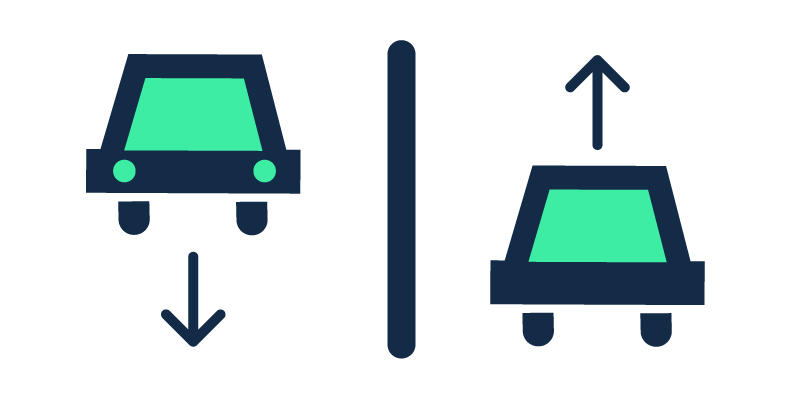
Prioritise acquainting yourself with traffic regulations, road signs, and driving customs of your destination country. Being aware of cross-border fees and other requirements also helps you plan road expenses in advance, thereby streamlining your border crossings. During which, ensure you have the correct documents and payments ready to reduce further unnecessary delays.
Tip #2: Check if an International Driving Permit (IDP) is needed

Check whether you are required to have an International Driving Permit (IDP) alongside your regular driver's licence for driving in a foreign country. An International Driving Permit (IDP) is usually required for Singaporeans to drive in certain countries, as it is illegal to drive without an original IDP. If you forget to apply for one, car rental companies won’t rent cars to you.
Tip #3: Be acquainted with local road conditions

Familiarise yourself with the local road conditions, weather patterns, and potential hazards to better plan your route and driving strategy.
Tip #4: Ensure proper rental car insurance damage waiver

Confirm that your insurance, whether it's from your car rental or personal policy, provides coverage for international travel. Some rental car insurance policies might exclude specific susceptible components, such as tires, roof, windshields, and the underside from Collision Damage Waiver (CDW). In such cases, you'll be responsible for covering an excess amount incurred by these damages.
Tip #5: Familiarise yourself with the rental vehicle

Take the time to comprehend the controls and features of your rental car, paying special attention to any differences when driving on the opposite side of the road, if applicable. In certain countries in the world, drivers drive on the left side of the road and the steering wheel is designed to be on the right side of the car.
Tip #6: Utilise navigation apps

Have access to a reliable GPS device or smartphone apps like Google Maps or Maps.me with international data connectivity for navigation. It's also advisable to carry physical maps or download offline maps as a backup in case of technical issues or places with no internet connection.
Tip #7: Minimise night-time driving

Whenever possible, restrict your driving to daylight hours, particularly in unfamiliar areas, as nighttime driving presents challenges due to reduced visibility and increased risks.
Tip #8: Stay informed about traffic conditions

Stay updated on local traffic updates and road conditions, especially in areas prone to unpredictable weather or heavy traffic. Toggle between Google Maps’ layers to access different street views, which are immensely helpful when planning your overseas road trips.
For example, the "Traffic Layer" which provides real-time traffic information, helps you anticipate congestion or roadblocks to plan routes better. Meanwhile, the "Terrain Layer" displays the natural landscape and terrain to help identify elevation changes, mountains, or other geographical features that might impact your route. Radio stations and traffic apps can also provide guidance.
Tip #9: Carefully plan your route and breaks

Plan your route well in advance, incorporating rest stops along the way to your destinations. Avoid extended periods of continuous driving and take regular breaks to remain alert and prevent driver fatigue.
FAQs About Travel Insurance For Year-End Road Trips
What is the fastest way to get travel insurance coverage for my year-end road trip?
The quickest way to get travel insurance is through your preferred travel insurance mobile app. You can also buy it via an airline or travel insurer's website, your insurance agent, or comparison platform like MoneySmart to quickly compare the best rates available for you.
Does my travel insurance have a rental car insurance damage waiver?
You’ll need to check your policy benefits – whether it's from your car rental or personal policy – if car rental excess is covered for. Notably, some susceptible components of the rental vehicle such as tires, roof, windshields, and the underside, might not qualify for coverage under your policy's Collision Damage Waiver.
What are the best travel insurance plans for driving to Malaysia by car?
While there isn’t a single “best” travel insurance plan for driving to Malaysia by car, it’s crucial to choose a plan with these key benefits: overseas medical expenses, personal accident coverage and liability protection, emergency evacuations, baggage loss or delay, trip cancellations, and of course, car rental excess.
Read also: How to Drive to Johor Bahru from Singapore
What are the best Malaysia road trip destinations from Singapore?
Some must-stop visits to add to your Malaysia road trip include Malacca, Kuala Lumpur, Genting Highlands, Penang, Ipoh, Cameron Highlands, Taman Negara National Park, Putrajaya, and the list goes on.
What’s the difference in coverage between trip cancellations, interruptions, and delays?
Yes, there is. Trip cancellations and interruption coverage reimburses non-refundable expenses and specific incidents like timing, unexpected illness, or weather conditions.
Conversely, trip delay coverage reimburses additional expenses, such as meals or lodging, incurred due to disruptions like flight delays or traffic accidents.
Should I buy travel insurance and car rental insurance separately?
It’s up to you. If you prefer higher car rental excess coverage, purchasing standalone car rental insurance to supplement your existing travel insurance coverage may be more beneficial. Car rental excess riders typically offer more limited coverage.
Was this article useful?
0 person found this useful
Want more MoneySmart in your Google results?
One tap, and we'll turn up more often when you search for money answers.

