Compare the Best Travel Insurance Online 2026 | Up to 70% OFF
Looking for the cheapest travel insurance in Singapore? Use MoneySmart's travel insurance comparison tool and save on single or annual trip coverage!
Refine Your Results
FEATURED OFFERS









We found 51 Insurance Plans for you!



[Your Trip is on US!🛫]
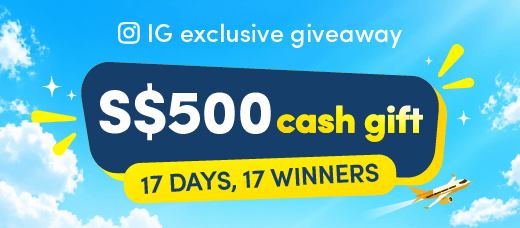
Score up to S$500 Cash via PayNow on travel reimbursements when you submit your MoneySmart Claim Form AND follow, like and comment on MoneySmart's Instagram. T&Cs apply.
Travel with the LATEST TECH 🛍️
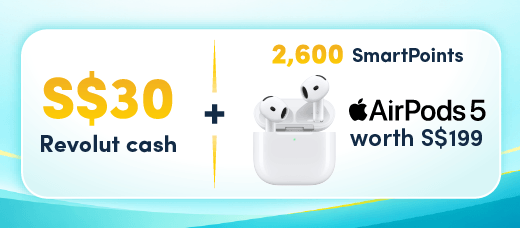
Enjoy up to 65% off & choose your rewards:
• LATEST Airpods 5 worth S$199
• OR up to S$60 Cash via PayNow
• AND a S$30 Revolut cash reward
and many more when with eligible premiums spent.
T&Cs apply.
Valid till 31 Oct 2026





[Your Trip is on US!🛫]
Score up to S$500 Cash via PayNow on travel reimbursements when you submit your MoneySmart Claim Form
AND follow, like and comment on MoneySmart's Instagram. T&Cs apply.
Travel with REWARDS:
• S$10 Grab Voucher OR S$5 Cash via PayNow
• AND S$30 Revolut cash reward
with eligible FWD Travel Plans purchased. T&Cs apply
Plus, enjoy 30% off (Single) and 25% off (Annual Travel) with code FWDHOLIDAY and get up to S$60 eCapitaVoucher on FWD Travel Insurance plans. Valid from 20 to 25 Oct 2026. T&Cs apply
Valid till 31 Oct 2026





[Extra Rewards with Latest Tech 💥]
Score the latest Apple AirPods 5 when you're the first to submit a MoneySmart Claim Form at 20:00 SGT each week. T&Cs apply.
Get CASH or REWARDS:
• S$60 GrabGift vouchers
• OR up to S$45 Cash via PayNow
• AND S$30 Revolut cash reward
with eligible premiums spent. T&Cs apply.
Plus, enjoy exclusive 63% off Allianz Travel Insurance with MSAZ
[Allianz x Travelgoogoo eSIM]
Enjoy a free 1GB Global eSIM from Allianz provided by Travelgoogoo in over 123 countries! T&Cs apply.
Valid till 31 Oct 2026
.png)


.png)
.png)
[Your Trip is on US!🛫]
Score up to S$500 Cash via PayNow on travel reimbursements when you submit your MoneySmart Claim Form
AND follow, like and comment on MoneySmart's Instagram. T&Cs apply.
Choose CASH or REWARDS:
• S$50 GrabGift vouchers
• OR up to S$40 Cash via PayNow
• AND S$30 Revolut cash reward
with eligible premiums spent.
T&Cs apply.
Plus, enjoy 60% off on Single Trip and 50% off on Annual Plan Travel Insurance plans.
Valid till 31 Oct 2026




[Your Trip is on US!🛫]
Score up to S$500 Cash via PayNow on travel reimbursements when you submit your MoneySmart Claim Form
AND follow, like and comment on MoneySmart's Instagram. T&Cs apply.
Travel with REWARDS:
• S$50 GrabGift vouchers
• OR up to S$40 Cash via PayNow
• AND S$30 Revolut cash reward
and many more rewards with eligible premiums spent. T&Cs apply.
[Exclusive MSIG Promos]
• Get 60% off (Single Trip) and 25% off (Annual Plan) on TravelEasy policy premiums. Valid from 19 to 22 Oct 2026.
• Enjoy a complimentary MSIG Lounge Pass at the Airport for flights delayed more than 90 minutes. (Per policy purchased).
• PLUS, receive up to 1GB worth of eSIM from MSIG.
T&Cs apply.
Valid till 31 Oct 2026
.png)


.png)
.png)
[Your Trip is on US!🛫]
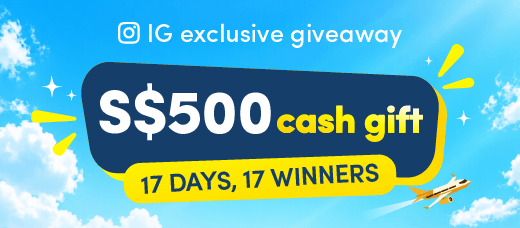
Score up to S$500 Cash via PayNow on travel reimbursements when you submit your MoneySmart Claim Form
AND follow, like and comment on MoneySmart's Instagram. T&Cs apply.
Travel with Extra Rewards:
• Get up to S$50 Cash via PayNow
• OR S$60 GrabGift vouchers
• AND S$30 Revolut cash reward
and many more rewards with eligible premiums spent. T&Cs apply.
Valid till 31 Oct 2026
.png)
.png)
.png)
[Your Trip is on US!🛫]
Score up to S$500 Cash via PayNow on travel reimbursements when you submit your MoneySmart Claim Form
AND follow, like and comment on MoneySmart's Instagram. T&Cs apply.
Grab your REWARDS:
• Up to S$20 GrabGift vouchers
• OR up to S$10 Cash via PayNow
• AND S$30 Revolut cash reward
and many more on top of existing discounts with eligible premiums spent.
T&Cs apply.
[Tiq's Online Promos]
• Enjoy 65% off (Single Trip) and 30% off (Annual Plans) with code TIQMS on Tiq Travel Insurance plans. Valid till 26 Oct 2026.
• MoneySmart Exclusive: Get a $10 Tiq Travel Voucher when you spend a min. premium of S$50. T&Cs apply.
• New to Tiq? New customers get an extra S$30 off with code FREETRAVEL. Valid till 28 Dec 2026. T&Cs apply.
[Tiq Travel Pass Rewards]
Enjoy free eSIMs up to 5GB, up to $60 transport vouchers, no claim cashback & more with Travel Pass, the first-in-market travel insurance rewards programme.
Valid till 31 Oct 2026




[Hey, Watch it!⌚]
Score an Apple Watch SE 3 when you're the first to submit a MoneySmart Claim Form at 20:00 SGT each week. T&Cs apply.
Insure and get CASH:
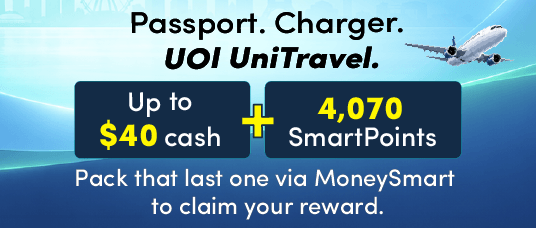
• Get up to S$40 Cash via PayNow
• AND S$30 Revolut cash reward
with UOI Travel premiums purchased. T&Cs apply.
Plus, get 65% off UniTravel policy premiums!
Valid till 31 Oct 2026



[Score the Latest Tech & more 🎶]
Score SmartPoints to get Apple AirPods 5 (worth S$199) when you're the first to submit a MoneySmart Claim Form at 20:00 SGT daily. T&Cs apply.
Extra REWARDS when Travelling:
Get a S$30 Revolut cash reward with Income Travel premiums purchased. T&Cs apply.
[Income's Online Promos]
• Get up to 70% off on Standard Per-trip travel plans.
• Get 30% off on PreX Per-trip travel plans.
Valid from 20 to 23 Oct 2026. 9:00AM. Ts&Cs apply.
Valid till 31 Oct 2026
%20(1).png)


 (1).png)
%20(1).png)
[HONK for Rewards!]
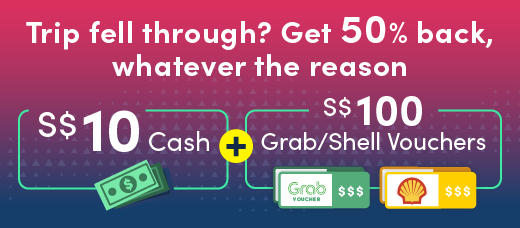
Score S$100 GrabGift Voucher OR S$100 Shell Petrol Voucher when you're the first to submit a MoneySmart Claim Form at 20:00 SGT daily. T&Cs apply.
Insured? Get CASH!
• S$10 Cash via PayNow with a min. premium of S$100 spent.
• AND S$30 Revolut cash reward
with Great Eastern Travel Insurance premiums purchased. T&Cs apply.
Enjoy 30% off on Single Trip premiums purchased. Valid till 1 Nov 2026. T&Cs apply.
Valid till 31 Oct 2026
.png)
.png)
.png)
[Extra Rewards with Latest Tech 💥]
Score the latest Apple AirPods 5 when you're the first to submit a MoneySmart Claim Form at 20:00 SGT each week. T&Cs apply.
Get CASH or REWARDS:
• S$60 GrabGift vouchers
• OR up to S$45 Cash via PayNow
• AND S$30 Revolut cash reward
with eligible premiums spent. T&Cs apply.
Plus, enjoy exclusive 63% off Allianz Travel Insurance with MSAZ
[Allianz x Travelgoogoo eSIM]
Enjoy a free 1GB Global eSIM from Allianz provided by Travelgoogoo in over 123 countries! T&Cs apply.
Valid till 31 Oct 2026
.png)

.png)
.png)
Get CASH or REWARDS:
• Up to $60 GrabGift vouchers
• OR up to $50 Cash via PayNow
• AND $30 Revolut cash reward
with eligible premiums spent. T&Cs apply.
[Singlife's Online Promos]
• Get 50% off with code TRAVEL50 on Single Trip Singlife Travel Insurance plans. Valid from 17 to 21 Oct 2026.
• Enjoy a FREE 1GB Global eSIM from Singlife with purchase of a Singlife Travel Insurance plan. T&Cs apply.
Valid till 31 Oct 2026
[Your Trip is on US!🛫]
Score up to S$500 Cash via PayNow on travel reimbursements when you submit your MoneySmart Claim Form AND follow, like and comment on MoneySmart's Instagram. T&Cs apply.
Travel with the LATEST TECH 🛍️
Enjoy up to 65% off & choose your rewards:
• LATEST Airpods 5 worth S$199
• OR up to S$60 Cash via PayNow
• AND a S$30 Revolut cash reward
and many more when with eligible premiums spent.
T&Cs apply.
Valid till 31 Oct 2026
Get CASH or REWARDS:
• Up to $60 GrabGift vouchers
• OR up to $50 Cash via PayNow
• AND $30 Revolut cash reward
with eligible premiums spent. T&Cs apply.
[Singlife's Online Promos]
• Get 50% off with code TRAVEL50 on Single Trip Singlife Travel Insurance plans. Valid from 17 to 21 Oct 2026.
• Enjoy a FREE 1GB Global eSIM from Singlife with purchase of a Singlife Travel Insurance plan. T&Cs apply.
Valid till 31 Oct 2026
[HONK for Rewards!]
Score S$100 GrabGift Voucher OR S$100 Shell Petrol Voucher when you're the first to submit a MoneySmart Claim Form at 20:00 SGT daily. T&Cs apply.
Insured? Get CASH!
• S$10 Cash via PayNow with a min. premium of S$100 spent.
• AND S$30 Revolut cash reward
with Great Eastern Travel Insurance premiums purchased. T&Cs apply.
Enjoy 30% off on Single Trip premiums purchased. Valid till 1 Nov 2026. T&Cs apply.
Valid till 31 Oct 2026
[Your Trip is on US!🛫]
Score up to S$500 Cash via PayNow on travel reimbursements when you submit your MoneySmart Claim Form
AND follow, like and comment on MoneySmart's Instagram. T&Cs apply.
Travel with REWARDS:
• S$10 Grab Voucher OR S$5 Cash via PayNow
• AND S$30 Revolut cash reward
with eligible FWD Travel Plans purchased. T&Cs apply
Plus, enjoy 30% off (Single) and 25% off (Annual Travel) with code FWDHOLIDAY and get up to S$60 eCapitaVoucher on FWD Travel Insurance plans. Valid from 20 to 25 Oct 2026. T&Cs apply
Valid till 31 Oct 2026

[Your Trip is on US!🛫]
Score up to S$500 Cash via PayNow on travel reimbursements when you submit your MoneySmart Claim Form AND follow, like and comment on MoneySmart's Instagram. T&Cs apply.
Travel with the LATEST TECH 🛍️
Enjoy up to 65% off & choose your rewards:
• LATEST Airpods 5 worth S$199
• OR up to S$60 Cash via PayNow
• AND a S$30 Revolut cash reward
and many more when with eligible premiums spent.
T&Cs apply.
Valid till 31 Oct 2026
[Extra Rewards with Latest Tech 💥]
Score the latest Apple AirPods 5 when you're the first to submit a MoneySmart Claim Form at 20:00 SGT each week. T&Cs apply.
Get CASH or REWARDS:
• S$60 GrabGift vouchers
• OR up to S$45 Cash via PayNow
• AND S$30 Revolut cash reward
with eligible premiums spent. T&Cs apply.
Plus, enjoy exclusive 63% off Allianz Travel Insurance with MSAZ
[Allianz x Travelgoogoo eSIM]
Enjoy a free 1GB Global eSIM from Allianz provided by Travelgoogoo in over 123 countries! T&Cs apply.
Valid till 31 Oct 2026
[Your Trip is on US!🛫]
Score up to S$500 Cash via PayNow on travel reimbursements when you submit your MoneySmart Claim Form
AND follow, like and comment on MoneySmart's Instagram. T&Cs apply.
Travel with REWARDS:
• S$10 Grab Voucher OR S$5 Cash via PayNow
• AND S$30 Revolut cash reward
with eligible FWD Travel Plans purchased. T&Cs apply
Plus, enjoy 30% off (Single) and 25% off (Annual Travel) with code FWDHOLIDAY and get up to S$60 eCapitaVoucher on FWD Travel Insurance plans. Valid from 20 to 25 Oct 2026. T&Cs apply
Valid till 31 Oct 2026
Get CASH or REWARDS:
• Up to $60 GrabGift vouchers
• OR up to $50 Cash via PayNow
• AND $30 Revolut cash reward
with eligible premiums spent. T&Cs apply.
[Singlife's Online Promos]
• Get 50% off with code TRAVEL50 on Single Trip Singlife Travel Insurance plans. Valid from 17 to 21 Oct 2026.
• Enjoy a FREE 1GB Global eSIM from Singlife with purchase of a Singlife Travel Insurance plan. T&Cs apply.
Valid till 31 Oct 2026
Disclaimer: At MoneySmart.sg, we strive to keep our information accurate and up to date. This information may be different than what you see when you visit a financial institution, service provider or specific product’s site. All financial products and services are presented without warranty. Additionally, this site may be compensated through third party advertisers. However, the results of our comparison tools which are not marked as sponsored are always based on objective analysis first.
Why Trust MoneySmart 💡
MoneySmart helps Singaporeans compare verified financial products side-by-side, so you find the best credit card, loan, insurance and other personal finance products for your needs—before you apply, not after. As an MAS-licensed platform with over 15 years in the market and a 4.4/5 Google rating from more than 2,000 reviews, we surface exclusive sign-up bonuses and deals you won't find by going directly to a provider—with faster gift fulfilment and flexible redemption on top.
Best Travel Insurance Plan in Singapore 2026
Latest Travel Insurance Promotions in Singapore
| Provider | Key Benefits | Promotion | Valid until |
|---|---|---|---|
| Starr |
| Receive up to S$500 cash via PayNow for travel reimbursements after meeting the MoneySmart Claim Form requirements and engaging with MoneySmart on Instagram (follow, like, and comment). Travel with the latest tech | 15 Oct 2026 till 31 Oct 2026 |
| FWD |
| Receive up to S$500 cash via PayNow on travel reimbursements after completing the MoneySmart Claim Form and engaging with MoneySmart's Instagram (follow, like, and comment). Travel with REWARDS: Plus, enjoy 30% off (Single) and 25% off (Annual Travel)with code FWDHOLIDAY and get up to S$60 eCapitaVoucher on FWD Travel Insurance plans. Valid from 20 to 25 Oct 2026. T&Cs apply | 15 Oct 2026 till 31 Oct 2026 |
| Allianz Travel |
| Be the first claimant each week to submit the MoneySmart Claim Form at 20:00 SGT and claim the Apple AirPods 5. Get CASH or REWARDS: • S$60 GrabGift vouchers • OR up to S$45 Cash via PayNow • AND S$30 Revolut cash reward with eligible premiums spent. Plus, enjoy exclusive 63% off Allianz Travel Insurance with MSAZ. Enjoy a free 1GB Global eSIM from Allianz, provided by Travelgoogoo, in over 123 countries. | 8 Oct 2026 till 31 Oct 2026 |
| Hong Leong Assurance |
| Receive up to S$500 cash via PayNow for travel reimbursements after completing the MoneySmart Claim Form requirements and engaging with MoneySmart on Instagram (follow, like, and comment). Choose cash or rewards: Plus, enjoy 60% off on Single Trip plans and 50% off on Annual Plan Travel Insurance plans. | 15 Oct 2026 till 31 Oct 2026 |
| MSIG |
| Receive up to S$500 cash via PayNow for eligible travel reimbursements after completing the MoneySmart claim form and engaging with MoneySmart on Instagram (follow, like and comment).
| 15 Oct 2026 till 31 Oct 2026 |
| DirectAsia |
| Receive up to S$500 Cash via PayNow for travel reimbursements when you submit your MoneySmart Claim Form and engaging with MoneySmart on Instagram (follow, like, and comment on MoneySmart's posts). Travel with Extra Rewards: | 15 Oct 2026 till 31 Oct 2026 |
| Tiq by Etiqa |
| Receive up to S$500 in cash via PayNow for travel reimbursements after meeting the MoneySmart Claim Form requirements and following, liking, and commenting on MoneySmart's Instagram. Rewards include: Tiq Travel Promos Tiq Travel Pass Rewards | 15 Oct 2026 till 31 Oct 2026 |
| UOI |
| The Apple Watch SE 3 is awarded to the first MoneySmart Claim Form submission by 20:00 SGT each week. Insure and get cash: 65% off UniTravel policy premiums Eligibility: Limited to the first MoneySmart Claim Form submission received by 20:00 SGT each week. | 6 Oct 2026 till 31 Oct 2026 |
| Income |
| Submit a MoneySmart Claim Form at 20:00 SGT daily and be the first to submit to receive Apple AirPods 5 (worth S$199). Extra rewards when travelling: Income's Online Promos | 8 Oct 2026 till 31 Oct 2026 |
| Great Eastern |
| [HONK for Rewards!] Insured? Get CASH! Enjoy 30% off on Single Trip premiums purchased. Valid till 1 Nov 2026. T&Cs apply. | 15 Oct 2026 till 31 Oct 2026 |
| Singlife |
| Receive up to $60 GrabGift vouchers OR up to $50 cash via PayNow, AND $30 Revolut cash reward when you spend eligible premiums. Get 50% off with code TRAVEL50 on Single Trip Singlife Travel Insurance plans. Valid from 17 to 21**Oct 2026). Enjoy a FREE 1GB Global eSIM with the purchase of a Singlife Travel Insurance plan. | 8 Oct 2026 till 31 Oct 2026 |
What Makes MoneySmart Trustworthy 👉
What Major Providers Cover
- Overseas medical coverage: Covers hospitalisation, emergency evacuation, and follow-up treatment upon returning to Singapore.
- Travel inconvenience: Reimbursement for cancellations, delays, and lost or delayed baggage.
- Personal accident benefits: Lump-sum payout in case of accidental death or permanent disability.
- COVID-19 protection: Varies by insurer, but most offer overseas medical coverage, along with trip cancellation or curtailment in some cases.
- Adventure sports cover: Extended protection for high-risk or adrenaline activities like scuba diving, skiing, sky diving, and more.
Comparison: Average Cost and Coverage Extent of Travel Insurance in Singapore
| Insurance provider | Best For | Medical Coverage (Overseas) | Trip Cancellation Coverage | Baggage Damage or Loss |
|---|---|---|---|---|
| Allianz | Emergency transportation (Includes COVID-19 Coverage) | From S$200,000 | From S$1,500 | From S$1,000 |
| DirectAsia | "Kids travel with free coverage" benefit (Families) | From S$150,000 | From S$3,000 | From S$1,000 |
| FWD | Lower premiums | From S$200,000 | From S$7,500 | From S$3,000 |
| Great Eastern | Coverage for sports and adventurous activities | From S$100,000 | From S$2,000 | From S$2,500 |
| Hong Leong Assurance | No claim discount of up to 10% on next trip | From S$150,000 | From S$5,000 | From S$3,000 |
| Income | Post-departure purchase up to a day of departure | From S$250,000 | From S$5,000 | From S$3,000 |
| MSIG | Comprehensive coverage (includes pre-existing conditions) | From S$250,000 | From S$5,000 | From S$3,000 |
| Singlife | High or unlimited overseas medical coverage | From S$250,000 | From S$5,000 | From S$3,000 |
| Starr | Cruise coverage | From S$200,000 | From S$5,000 | From S$3,000 |
| Tiq | Auto-pay out and higher efficiency for flight delays | From S$200,000 | From S$5,000 | From S$2,000 |
| UOI | Extensive coverage including COVID-19 | From S$100,000 | From S$3,000 | From S$1,000 |
Disclaimer: Actual premiums will vary depending on your destination, duration, age, coverage tier, and add-ons selected. Always run a personalised quote to get the exact cost for your trip.
How to use this table?
- Start with coverage needs: If you’re mainly worried about medical bills overseas, Starr and FWD both offer solid base coverage of S$200,000.
- Check COVID-19 protection: Starr Bronze includes S$15,000 in overseas medical cover, while FWD offers a higher add-on option (up to S$200,000).
- Look at travel disruption: FWD provides stronger cancellation protection (S$7,500 vs Starr’s S$5,000).
- Review baggage cover: Both Starr and FWD protect against baggage loss/delay, though Starr offers higher delay payouts.
- Don’t miss MoneySmart Exclusive promos: Promotions can tilt the balance.
How to Choose the Right Travel Insurance: Step-by-Step Guide
Not sure which travel insurance plan makes sense for your trip? With so many options out there, it can feel like comparing apples to oranges (and sometimes pineapples). We’ve broken down your decision-making into simple steps so you can confidently match a plan to your travel style, budget, and destination requirements.
Define your trip type
Let’s take Starr TraveLead Comprehensive Bronze as an example:
- Short trips: The Bronze tier offers reasonable coverage for essentials such as medical, baggage, and delays.
- Family trips: Its family travel insurance policy also comes with free child coverage.
- Frequent travel: Annual plans from providers like MSIG or FWD may be more cost-effective.
Check your destination rules
- Schengen countries: At least €30,000 medical cover including repatriation.
- Japan: Certain visas require proof of medical insurance.
- Others: COVID-19 coverage may be mandatory.
Always confirm entry requirements with the embassy before booking.
Prioritise medical coverage
- Budget plans: Starr TraveLead Comprehensive Bronze offers up to $200,000 overseas medical cover.
- Mid-range options: FWD Premium includes $200,000 and allows add-ons for pre-existing conditions.
- Specialised needs: Look for travel insurance covering pre-existing conditions like Income Enhanced PreX, which is designed for those with chronic conditions.
Ideally, you should aim for at least $200,000 coverage—more if you’re travelling to countries with high medical costs.
Balance baggage and disruption cover
- Trip cancellation: Some plans can protect up to $7,500.
- Travel delay: Some plans pay $100 per 6 hours, up to $500 at a time.
- Baggage protection: Most plans cover $3,000; check sub-limits for electronics.
Look at add-ons and extras
- Adventure sports: Starr and FWD cover activities like scuba diving and skiing.
- Pre-existing conditions: Income and MSIG offer Enhanced PreX or add-on options.
- COVID-19: Starr includes up to $100,000 overseas medical cover, while FWD allows a higher add-on (up to $200,000).
Compare MoneySmart Exclusive promotions
Popular Travel Insurance Add-Ons & Customisation Tips
Common add-ons explained
| Add-on | What it Covers | Best for | Example providers |
|---|---|---|---|
| Adventure sports | Activities like scuba diving, skiing, or hot air ballooning | Travellers planning thrill-seeking holidays | Starr: Includes scuba diving, snow sports FWD: Covers diving, bungee, skydiving MSIG: Covers winter sports with add-on Sompo: Covers Japan ski trips |
| Pre-existing condition cover | Medical treatment abroad linked to existing conditions | Travellers with chronic conditions | Income Enhanced PreX MSIG TravelEasy with PreX add-on FWD optional coverage |
| COVID-19 extensions | Medical bills, cancellation, and trip disruption due to COVID-19 | Travellers going to destinations with COVID-19 rules | Starr Bronze (includes $15,000 medical) FWD add-on (up to $200,000) Allianz Silver (includes COVID-19 cover) Tiq (includes COVID-19 medical) |
| Baggage upgrades | Higher claim limits for lost/delayed baggage and electronics | Travellers carrying expensive gear (e.g., laptops, cameras) | Available across most providers including DirectAsia and Singlife |
| Trip cancellation add-ons | Higher payouts or “cancel for any reason” options | Travellers with high prepaid costs or uncertain schedules | FWD Premium cancellation add-on Allianz Enhanced plans HL Assurance TravelProtect options |
| Rental vehicle excess | Covers the excess if you damage a rented car overseas | Road trippers renting vehicles abroad | Starr ($500 excess cover) FWD (rental car excess cover) MSIG (optional add-on) |
Different Trips, Different Risks 🌍
Compare destination-specific travel insurance plans with us on MoneySmart and travel with confidence, wherever you land.
COVID-19 & Health Cover: Your Travel Insurance Checklist
✔️ Overseas medical coverage. Aim for at least $200,000. This covers hospitalisation, surgery, and follow-up treatment back in Singapore.
✔️ COVID-19 medical expenses. Check if the plan includes cover for treatment abroad.
✔️ Trip cancellation due to infection. Reimburses non-refundable bookings if you or a travel companion test positive.
✔️ Trip curtailment. Covers and reimburses your forfeited costs if your trip is cut short.
✔️ Quarantine allowance. Daily benefit if you’re forced into isolation overseas.
✔️ Emergency evacuation & repatriation. Critical if you need to be flown home for treatment.
✔️ Pre-existing condition cover. Only available on selected plans (e.g., Income Enhanced PreX, MSIG TravelEasy PreX add-on).
How major insurers cover COVID-19
| Provider | COVID-19 Medical Cover | Trip Cancellation / Curtailment | Quarantine Allowance | Notable Features |
|---|---|---|---|---|
| Starr TraveLead Comprehensive Bronze | $15,000 overseas medical | ❌ Not included (only on Silver/Gold) | ❌ Not included | Adventure sports cover, family child cover |
| FWD Premium | Add-on: up to $200,000 | $5,000 | $100/day (max $1,400) | “Cancel for any reason” add-on, strong digital claims |
| Income Enhanced PreX | Covers COVID-19 as part of PreX plans | ✅ Included | ✅ Included | Designed for chronic conditions, strong hospitalisation cover |
| MSIG TravelEasy | $75,000 (Standard), up to $150,000 on higher tiers | $3,000 cancellation, $3,000 curtailment | $50/day (max $700) | Add-ons for pre-existing conditions, flexible tiers |
Singapore Travel Insurance: Price Drivers & Smart Savings
Ever wondered why two people can pay very different prices for travel insurance? Premiums aren’t random; they’re shaped by a handful of key factors. Here’s what really drives the cost of your policy, and smart ways to save without sacrificing protection.
Destination
- Why it matters: Countries with high medical costs (e.g., USA, Japan) mean higher premiums.
- Example: A US trip may cost 2–3x more than a regional trip.
Trip length
- Why it matters: Longer trips increase exposure to risk, such as higher chances of falling sick, getting into personal accidents, losing or misplacing personal belongings and baggage, and more.
- Impact: A 2-week trip naturally costs more than a weekend getaway.
Traveller age
- Why it matters: Older travellers face higher health risks due to age-induced chronic conditions.
- Impact: Premiums rise significantly for seniors, especially when acquiring pre-existing medical coverage.
Pre-existing conditions
- Why it matters: Specialised cover is needed to protect against known health issues.
- Impact: Income Enhanced PreX and MSIG PreX add-ons cost more.
Add-ons
- Why it matters: Adventure sports, rental vehicle excess, or high baggage cover push up costs.
- Impact: For instance, Starr TraveLead’s adventure sports cover adds to premium but protects divers/skiers.
Just be careful not to compromise on coverage while chasing after savings! Remember, savings is smart, but under-insuring is not.

5 Real-Life Travel Scenarios Explained
It’s one thing to read about coverage on a policy document, it’s another to see how it actually saves your trip. Here are five common travel mishaps and how different types of insurance benefits kick in to protect you.
Scenario #1: Medical emergency abroad
- How insurance helps: A plan like Starr TraveLead Comprehensive Bronze covers up to $200,000 overseas medical expenses, plus unlimited emergency evacuation if you need to be flown back to Singapore.
- Without insurance: You’d be footing the entire bill out of pocket.
Scenario #2: Flight delay mayhem
- How insurance helps: FWD Premium pays $300 for delays, plus covers meals and accommodation.
- Without insurance: You absorb the extra hotel and food expenses.
Scenario #3: Lost luggage at the airport
- How insurance helps: Starr TraveLead Comprehensive Bronze pays $100 per 6 hours of baggage delay (up to $400), plus up to $3,000 for lost or damaged items.
- Without insurance: You’d need to buy essentials and replace items at your own cost.
Scenario 4: COVID-19 cancellation
- How insurance helps: FWD Premium’s COVID-19 add-on covers up to $5,000 in cancellation costs. Some plans also cover quarantine expenses if you’re stuck overseas.
- Without insurance: You lose your prepaid hotel and flight bookings.
Scenario 5: Adventure sports accident
- How insurance helps: Plans like Starr TraveLead Comprehensive Bronze and MSIG TravelEasy include adventure sports coverage and unlimited evacuation, ensuring you get timely treatment.
- Without insurance: Evacuation flights can cost upwards of $30,000.
Scenario #5: Trip cancellations due to civil unrest & war
Does Travel Insurance Cover Cancelled Flights?
Not always! While travel insurance includes “trip cancellation” coverage, claims are only valid for insured events like illness, accidents, or unforeseen events (riots, natural disasters). Be sure to check the policy for exclusions.
Flight Cancellation Due to Known Event
Flight cancellations due to events already publicly known at the time of ticket purchase are not covered, as you're expected to be aware of them. However, coverage applies if you bought your flights and insurance before the event was made public
Flight Cancellation with Refund / Replacement
If your flight was cancelled but you were put on a replacement flight, or your fare was refunded, you will not be able to make a travel insurance claim under the trip cancellation benefit. In general, travel insurance is only for unrecoverable costs. However, you may claim for trip delay benefits, such as an extra night's accommodation or extra meals.
You Cancelled Your Own Flight / Trip
Travel insurance typically covers events beyond your control. If you decide to cancel your trip, you generally can't claim anything unless your policy includes a "Cancellation for Any Reason" benefit. However, during pandemics or major events, airlines may waive cancellation penalties as a goodwill gesture. Always check with your airline and insurer for updated policies during such situations.
How to File for Travel Insurance Claims in Singapore
Buying a policy is only half the job — knowing how to claim is what gets you paid when things go wrong. Here’s a clear, step-by-step guide to filing travel insurance claims in Singapore.
Notify your insurer quickly
Gather your documents
- Boarding passes and flight itinerary
- Receipts for expenses (e.g., meals, replacement items)
- Medical reports for hospitalisation or treatment
- Police report if theft or loss is involved
- Proof of delay from airlines or transport providers
Submit via digital platforms
- FWD: File claims directly via their app or web portal.
- Starr: E-claims submission system, easy upload of receipts and documents.
- MSIG: Online claim portal with guided submission steps.
- Tiq: Known for digital-first claims and quick turnaround times.
Track status and follow up, if necessary
Keep your claim reference number handy. Most insurers will acknowledge claims within a few working days. Check the claim status online or via the insurer’s hotline if delays occur.
Understand processing timelines
Complex claims (e.g., medical evacuations, major hospitalisations) may take longer.
Payouts are usually made via direct bank transfer.
Flights Booked ✅ Insurance Next ➡️
Compare the top travel insurance plans in minutes, here on MoneySmart, and travel worry-free.
Travel Insurance Related Articles & Recommendations
Travel Tips
- Travel Essential Packing List 101
- How To Renew Your Singapore Passport
- Top Travel Hacks To Save Money
- 15 Rookie Mistakes To Avoid While Travelling in Europe
- 10 Cost Savings Tips For Your Year End Holiday
- Travel Safety: Tips for Women, LGBTQ+, and Persons with Disabilities
- Best Travel Insurance Plans For Female Solo Travellers
- Should I Get All-inclusive Or Standalone Travel Insurance?
Promotions & Travel Surveys
Travel Insurance Reviews
Frequently Asked Questions for Singapore Travellers
- Got questions? You’re not alone. Here are the top travel insurance FAQs for Singaporeans — answered simply, with key tips and links to deeper sections of this guide.
Is travel insurance mandatory for all destinations?
- While travel insurance is not mandatory everywhere, it is highly recommended regardless for the sake of staying well-protected on all your trips. However, there are some exceptions where travel insurance is necessary.
- Schengen states require at least €30,000 in medical cover (refer to above section).
- Japan requires proof of insurance for certain visa types.
How much travel insurance coverage do I need?
- Minimum recommendation: $200,000 for overseas medical expenses.
- For destinations like the US or Canada, aim for $500,000 or more due to high healthcare costs.
- Baggage, delay, and trip cancellation/curtailment cover vary. Such coverage is highly encouraged due to the frequency of airline delays or cancellations owing to various reasons like erratic weather conditions or political unrest. Meanwhile, baggage protection is great in case of loss of personal belongings or theft.
Does travel insurance cover COVID-19?
- Yes, most travel insurance plans do offer COVID-19 coverage, either already within the plan or as an add-on. However, coverage varies:
- Starr TraveLead Comprehensive Bronze: $15,000 for overseas medical only.
- FWD Premium: Add-on covers up to $200,000, plus $5,000 cancellation and $100/day quarantine allowance.
Always read your policy wording carefully to understand the full scope of your coverage. When should I buy travel insurance?
- As best practice, it’s advised to buy travel insurance as soon as you book your trip. Why? This is because trip cancellation benefits kick in immediately, protecting prepaid bookings.
Are pre-existing conditions covered?
- Yes, but only for selected insurers’ travel insurance plans that specify pre-existing medical condition coverage. Plans like Income Enhanced PreX, MSIG TravelEasy with PreX add-on, and FWD Pre-existing add-on are good examples—however do note, such coverage is usually only available at higher-tiered plans. Basic plans tend to exclude pre-existing conditions from their policy.
What if I travel frequently?
- If you travel frequently, it’s recommended to consider an annual multi-trip travel insurance plan instead of buying a single-trip policy each time. These plans cover you for unlimited trips within a 12-month period, usually with a maximum of 90 days per trip, giving you better value per journey.
For instance, major insurers such as Allianz Travel, MSIG TravelEasy, FWD, and DirectAsia all offer annual plans. While single-trip policies can start as low as $13–$28, annual plans typically begin around $140 and can range higher depending on the tier, benefits, and promotions. MoneySmart Exclusives often bring down the cost further, making annual plans an affordable option for frequent flyers. How do I file a claim?
- Notify your insurer within 30 days.
- Prepare documents (receipts, reports, boarding passes).
- Submit online via your insurer’s digital portal. For example:
- FWD: App/portal.
- Starr: E-claims.
- MSIG: Online claim portal.
- Tiq: Digital-first claims.
- Track your claim; payouts usually take 14–30 working days.
Do Singaporeans need a visa to travel to Indonesia?
- If you hold a Singapore passport, you can enter Indonesia visa-free for tourism or social visits for up to 30 days. Do note that no extensions are allowed for the visa-free entry. If you want the flexibility to extend your stay or enter through airports not offering visa-free entry, opt for a Visa on Arrival (VOA) instead.
Do Singaporeans need a visa to travel to India?
- Singaporeans traveling to India must obtain a visa prior to arrival. For tourism and short business or medical trips, India’s electronic Visa (e-Visa) system is the way to go. This means you apply online and get pre-approval, rather than a physical visa label in your passport.
Upon arriving in India, e-Visa holders get a visa stamp at the immigration “Visa on Arrival” counter (note: this isn’t a true visa-on-arrival; you must have applied online in advance). What are the requirements to apply for a UK tourist visa in Singapore?
- Where do I apply?
Start your application on GOV.UK and book your biometrics appointment at a UK Visa Application Centre (VFS Global) in Singapore.
What documents do I need? A valid passport, completed application and fee, proof of funds and ties (e.g. bank statements, employment letter), and accommodation or itinerary details.
Do I need to provide biometrics? Yes, you must submit fingerprints and a photo at VFS Global.
How long does processing take? About 3 weeks for standard processing; faster priority services are available for an extra fee. Do Singaporeans need a visa to travel to Vietnam?
- Singapore passport holders don’t need a visa to visit Vietnam for short trips. You can stay up to 30 days per entry, no paperwork required.
But if you're planning a longer stay, working remotely, or making multiple entries in a short span, you’ll need either an e‑Visa or Visa on Arrival (VOA)—both are simple to get online. How long do travel insurance claims take in Singapore?
- Most travel insurance claims in Singapore take around 2–4 weeks to process, though timelines can vary depending on the insurer and the complexity of the case. Straightforward claims, such as medical reimbursements with complete receipts, are usually settled more quickly.
- Provide all required documents in one go to avoid delays.
- Report incidents and file your claim as soon as possible.
- Make sure your claim form is complete and error-free.
How to find the cheapest flights & travel deals in Singapore
- Before booking, begin with trusted flight comparison platforms that help you find the cheapest flights Singapore travellers can access. These tools aggregate fares across airlines and agencies, making it easier to spot hidden bargains.
Skyscanner Skyscanner is popular for its “Everywhere” search option, which shows the cheapest destinations from Singapore on your chosen dates. It also allows you to view prices across an entire month, helping you identify the lowest fare days.
Google Flights Google Flights offers fast results and a clear calendar view of fares. With its Google Travel ecosystem, you can filter by stops, baggage, and even track price trends. Setting price alerts is simple, ensuring you’re notified when fares drop.
Trip.com Trip.com often lists exclusive promotions for Asia-based travellers, including flash sales and bundled discounts. It’s especially handy if you’re looking for regional getaways or cheap travel deals Singapore-based users might otherwise miss.
Pro tips to maximise savings:
- Be flexible with dates: Use flexible dates when searching—flying midweek can be significantly cheaper.
- Browse in private mode: Try private/incognito browsing to reduce the risk of price hikes based on cookies.
- Set price alerts early: Monitor fares and lock in prices before they rise.