
 Why Trust MoneySmart?
Buying airline miles is usually more expensive than just paying cash for a ticket, but it can work out cheaper in narrow situations like long-haul premium cabin redemptions, good mileage sales, or small top-ups for an award you can book immediately.
Is It Cheaper to Buy Airline Miles?
For most Singapore travellers, buying airline miles at the usual retail price is not cheaper than paying cash for a flight. When you add up how much you pay per mile versus the cash fare you could have bought instead, you often end up spending more for the same seat, especially in Economy.
Buying miles can sometimes make financial sense, but only when the numbers clearly work in your favour—typically during limited-time mileage sales, for specific long-haul business or first-class redemptions, or when you just need a small top-up to lock in a high-value award you have already found.
When Buying Miles Can Make Sense
Buying miles is most defensible in scenarios where the miles unlock flights that would otherwise be very expensive in cash.
Long-haul premium cabins: If you are eyeing a business or first-class seat on an expensive long-haul route, buying miles during a good promotion can sometimes cost less overall than paying the full cash fare, especially when cash prices have surged during peak seasons.
Mileage sales and bonuses: Some frequent flyer programmes run periodic sales where you can buy miles at a discount or get bonus miles. When these deals push your effective cost per mile low enough, they can make sense for a specific, high-value redemption you plan to book soon.
Top-up for a confirmed award: If you are just a few thousand miles short of an award you can book immediately, buying that small amount can be worthwhile, particularly for premium cabin or long-haul awards, compared with giving up and paying full price in cash.
Last-minute premium travel: When you need to fly urgently and cash fares for premium cabins are extremely high, buying miles to redeem an available award seat can sometimes bring the total cost down, as long as you confirm award space first.
When Buying Miles Is Poor Value
In many everyday situations, buying miles works out to be a bad deal once you compare the total cost against simply buying a ticket.
Economy tickets on common routes: For most short- and medium-haul Economy flights that Singapore residents take around the region, competitive cash fares and budget airlines usually beat the cost of buying enough miles for an award seat.
Speculative stockpiling: Buying miles without a clear plan, just because there is a sale, is risky. Loyalty programmes can raise award prices or tighten award availability over time, so miles you bought may lose value before you use them.
No guaranteed award space: Purchasing miles before confirming that your target flight has award seats can leave you stuck with a non-refundable points balance that you cannot redeem for the dates or cabins you actually want.
Buying large chunks at high prices: If you need to buy most of the miles for an award at relatively high per-mile prices, you often end up paying close to, or even more than, the cash fare while giving up the flexibility of cash.
How to Decide Between Cash and Miles
A simple way to decide is to compare the real cash price of the ticket you would buy against the effective cost of acquiring and using miles for the same flight.
You estimate the value you get per mile by taking the cash fare you would otherwise pay, subtracting the taxes and fees still payable on an award ticket, and dividing the remainder by the miles required. Then compare that value per mile with how much you would pay to buy or acquire each mile, especially during any mileage promotion.
Do this calculation before you commit to buying miles, and only proceed if you have a specific route, date and cabin in mind with confirmed award availability.
For many Singapore-based travellers, a more sustainable approach is to earn miles through day-to-day spending on a suitable air miles credit card, then use those miles for high-value redemptions instead of paying out of pocket to buy large blocks of miles.
Some popular air miles credit cards in Singapore that can help you accumulate miles from your regular spending include:
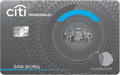
- Local Spend
- S$1 = 1.2 miles
- All Foreign Currency Spend including Retail and Online
- S$1 = Up to 2.2 miles
- Selected Online Hotel Bookings
- S$1 = Up to 10 miles
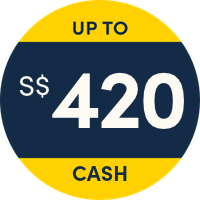
First 200 to submit the claim form and meet the S$500 spend within 30 days to enjoy S$420 CASH or a S$500 Amazon.sg Gift Card
Or still grab S$400 Cash or 6,140 SmartPoints (use SmartPoints earned to redeem the latest Apple products on our Rewards Store) if you come after. T&Cs apply.
Once you are ready to optimise how you earn and redeem miles, you can compare a wide range of air miles credit cards on MoneySmart’s main credit card listing page to see which one best matches your spending pattern and travel goals.
